

Seller Resource
Seller Paperwork · Texas
The seller's disclosure is one of the most important papers you sign when you sell. It is also one of the most misunderstood. The Texas seller disclosure tells buyers what you know about your home's condition. Fill it out well, and it protects you and your sale. Rush it, and it can cause problems long after closing. Here is what Grapevine sellers need to know.
In my years listing homes in Grapevine, the sellers with the smoothest closings almost always had the most detailed disclosures. A clear form answers questions before a buyer even asks them. It also tends to make inspection talks calmer.
Key Takeaways
- Most Texas sellers must disclose: a written Seller's Disclosure Notice is required in most sales of a one-unit home.
- You disclose what you know: you are not expected to inspect the home yourself, but you must be honest about what you are aware of.
- Timing matters: give it to buyers before they sign. If it comes after, the buyer may get a chance to back out.
- Flooding questions are part of it: the form asks about flood history, flood insurance claims, and flood zones.
- Other notices may apply: homes built before 1978, homes in an HOA, and homes in certain special districts need extra notices.
What Is a Texas Seller Disclosure?
In Texas, most home sellers must give buyers a written Seller's Disclosure Notice. It covers what you know about the home's condition, like the roof, foundation, plumbing, electrical, flooding, and past repairs. You fill it out based on what you actually know, and you give it to buyers before they sign a contract. The notice comes from the Texas Property Code. TREC, the state agency that licenses Realtors, publishes a standard form that most agents use. Being honest and complete is what protects your sale."When in doubt, disclose it. A buyer can handle almost any known issue. What they cannot handle is a surprise after closing." Amy Beyer, REALTOR®, Century 21 Mike Bowman, Grapevine's Local Expert for Listing Services, Relocation and New Construction Homes
What Do Sellers Have to Share on the Disclosure Form?
The form is a long checklist. It walks you through your home's features and asks about known problems. Here are the main areas.- Items in the home: appliances, systems, and features, and whether each one works.
- Known defects: problems with the roof, foundation, walls, floors, plumbing, electrical, and more.
- Water and flooding: past water leaks, flood damage, flood insurance claims, and whether the home sits in a flood zone or reservoir area.
- Past repairs: major repairs, such as foundation work or roof replacement, and whether they had permits or warranties.
- Environmental items: known issues like termites, mold, lead-based paint, or asbestos.
- Legal and area items: HOA membership, special assessments, lawsuits, and easements that affect the property.
- Inspection reports: written inspection reports from the last few years, which the form asks you to list.
When Do You Have to Give Buyers the Disclosure?
You should give buyers the disclosure before they sign a contract. In practice, I upload it with the listing so buyer agents can see it before they write an offer. If a buyer gets the notice after the contract is signed, Texas law can give that buyer a short window to end the contract. That is a risk you do not need. Getting the form done early is one of the simplest ways to protect your deal.| Step | Timing | What happens | Your role |
|---|---|---|---|
| Gather records | 2 to 4 weeks before listing | Collect repair receipts, warranties, and past inspection reports | Pull files and dig through email |
| Fill out the form | 1 to 2 weeks before listing | Answer each question based on what you know | Take your time and be thorough |
| Review with your agent | Before listing | Agent checks for blank answers and unclear notes | Ask questions about anything you are unsure of |
| Share with buyers | At listing launch | The form is available to buyer agents before offers | Nothing, unless something changes |
| Update if needed | Any time before closing | New issues are shared in writing | Tell your agent right away about any change |
What Are the Most Common Disclosure Mistakes?
Most disclosure problems are not about hiding things. They come from rushing, guessing, or leaving blanks. Here is how I read what I see on a draft form.| What you notice | What it means |
|---|---|
| "Unknown" checked on items the seller clearly knows about | Risky. "Unknown" should only mean you truly do not know. |
| A past repair listed with no details | Add who did it, when, and any warranty. Details build buyer trust. |
| Blank questions | Every question needs an answer. Blanks raise flags with buyers. |
| An old inspection report left off the list | The form asks for recent written reports. List them. |
| A fixed problem left off because "it's fixed now" | Past problems and repairs often still need to be shared. |
| Clear notes with dates and receipts attached | This is a strong disclosure. It helps buyers feel confident. |
Are There Other Notices Besides the Main Disclosure?
Extra paperwork that may apply Yes. Depending on your home, you may need one or more of these. Your agent should flag them early.- Lead-based paint disclosure: required by federal law for most homes built before 1978.
- HOA addendum: used when the home is in a property owners association. It covers documents and resale certificates.
- Special district notices: some homes sit in a utility district or a public improvement district that adds its own assessment. Buyers must be told.
- Survey and T-47 affidavit: not a disclosure, but buyers often ask for an existing survey. Find yours early.
Who Does Not Have to Give a Seller Disclosure?
Common exceptions Some sales are exempt under Texas law. Examples include certain sales by an estate executor or trustee, foreclosure sales, sales between co-owners, and sales of a brand new home that no one has lived in. Even in these cases, sharing what you know is often a smart idea. Ask your agent or an attorney whether an exception truly fits your sale.How Can a Pre-Listing Inspection Help?
Know before you list A pre-listing inspection is an inspection you order before you go on the market. It is optional. But it can help you find problems early, fix them on your schedule, and fill out your disclosure with confidence. Keep in mind, once you know about an issue, you must disclose it. So decide with your agent whether a pre-listing inspection makes sense for your home. For older homes in Grapevine's established neighborhoods, it often does. My resources page lists inspectors and repair pros I trust. Disclosures also affect how offers come in. Buyers who see a clear disclosure tend to write cleaner offers. My last post on how to evaluate multiple offers on your home shows how to compare those offers once they arrive.How Do I Help Grapevine Sellers With Disclosures?
About Amy I have been a licensed Texas Realtor since 2002, and I review every seller's disclosure with them before we launch. I am known as one of the top 10 Grapevine listing agents, and I have been featured in Real Producers. I do not give legal advice, but I do know which questions tend to trip sellers up, and I make sure we slow down on those. I work with Century 21 Mike Bowman, the #1 Century 21 office in Texas, headquartered here in Grapevine. If you are wondering what your home could sell for once the paperwork is ready, request a home value estimate and we can talk through it together.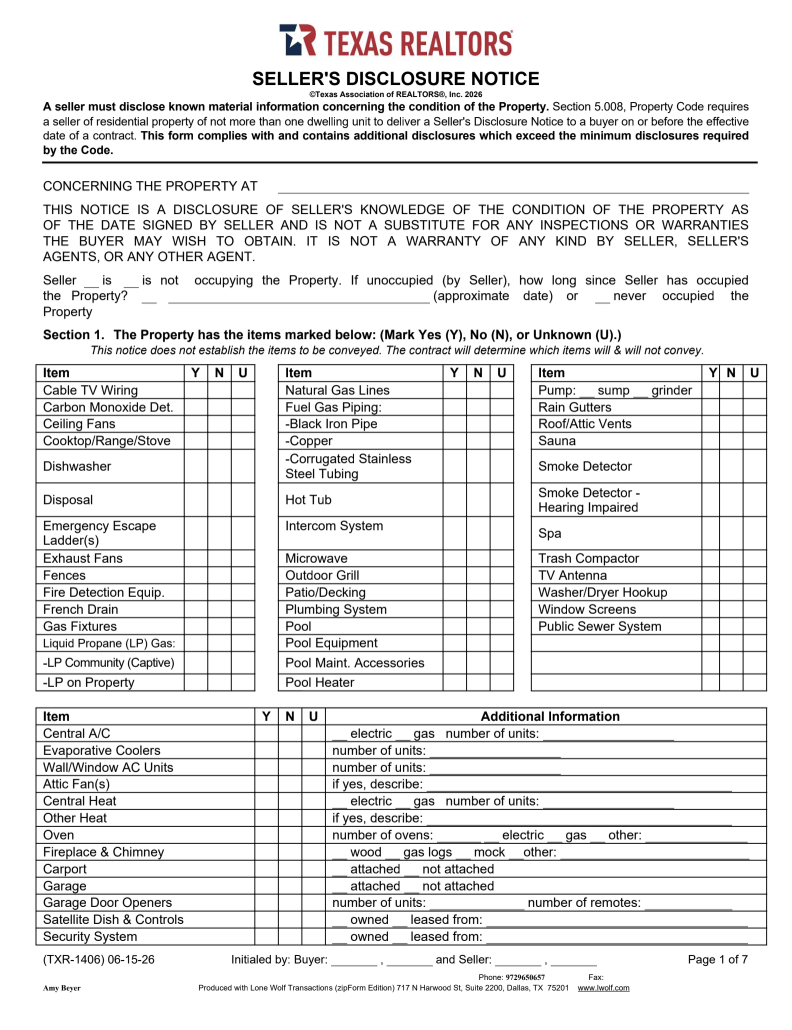
Check out this article next